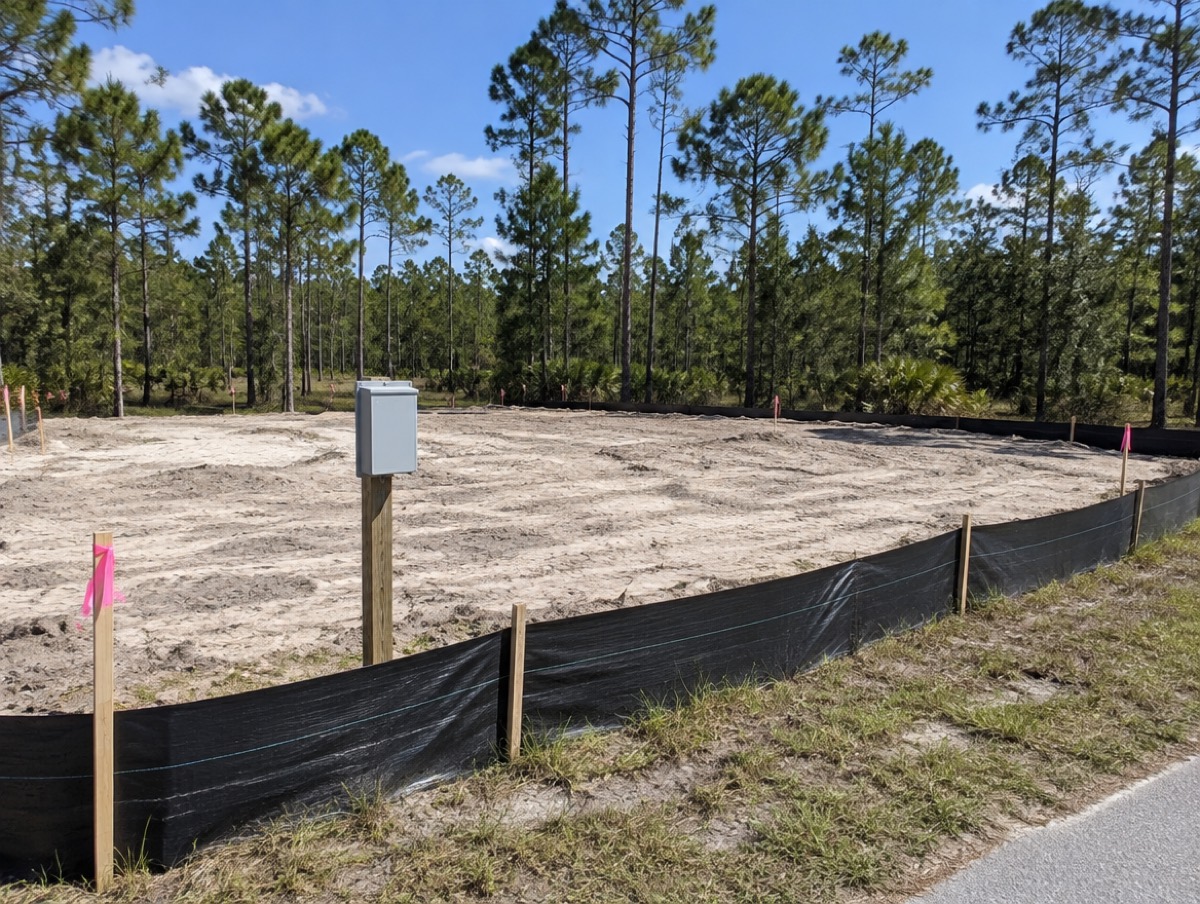
Last reviewed October 7, 2026. General information, not legal or professional advice. Check the linked sources for the current rules.
1. Read the lot before you touch it
Start with paper. Pull the survey if you have one, and look up the flood zone on FEMA's Flood Map Service Center (FEMA). For a floodplain permit, Palm Bay asks for a signed and sealed survey with NAVD88 elevations at the four corners, the center, any sharp changes in grade and the crown of the road, plus the house footprint and proposed floor elevations (Palm Bay floodplain permit requirements). Those numbers drive the fill and pad work later.
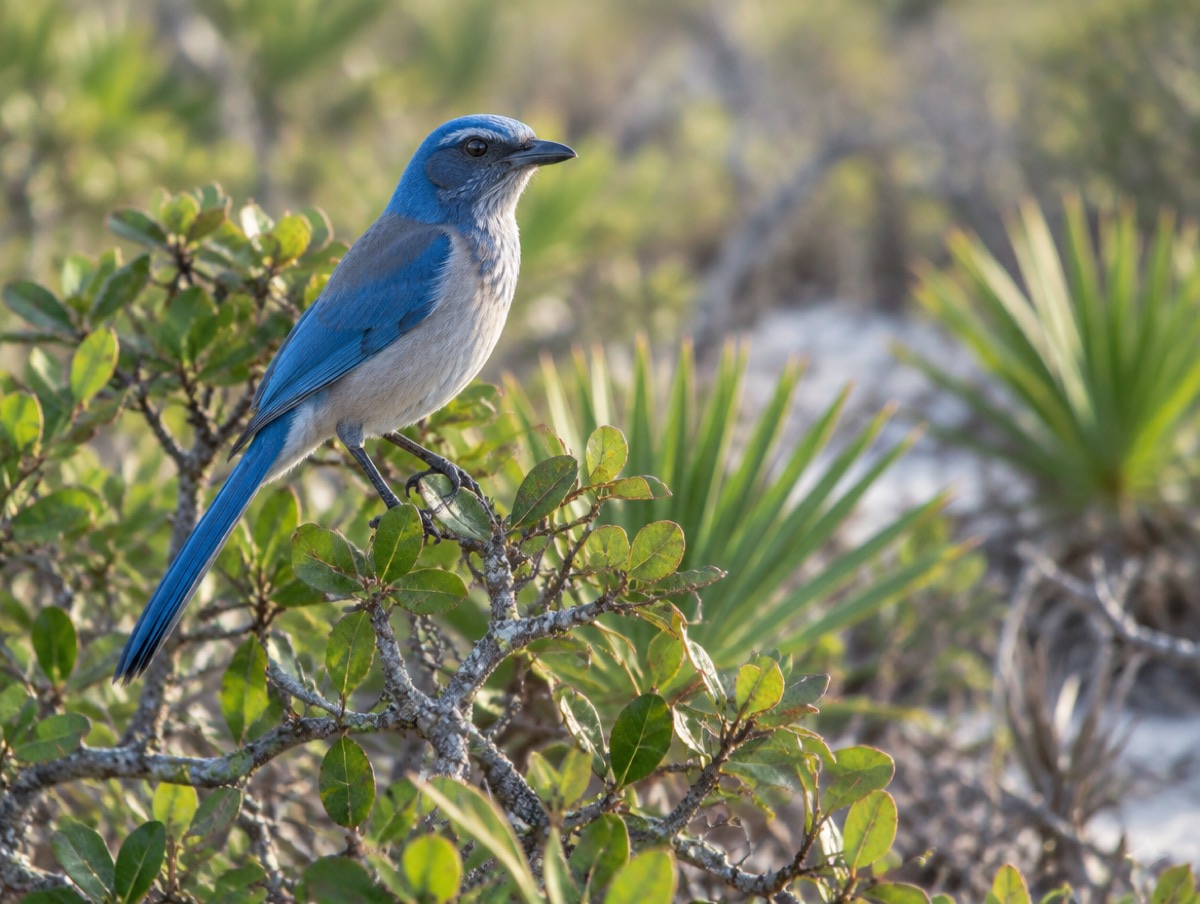
Then check whether the parcel is on the city's list of lots in scrub-jay habitat polygons (City of Palm Bay, Scrub Jay Lots). If part of the lot holds standing water, ask about wetlands now, because filling a wetland may need an Environmental Resource Permit from the St. Johns River Water Management District or FDEP (SJRWMD).
2. Walk it for burrows and nests
Look for gopher tortoise burrows near the house site, the driveway and anywhere machines will drive. An FWC permit is needed before clearing, grading or digging within 25 feet of a burrow that may be occupied (FWC), and surveys and relocation belong to an Authorized Gopher Tortoise Agent. The gopher tortoise guide lays out the timing.
Look up, too. FWC recommends checking its historical bald eagle nesting map and keeping 660 feet from a nest before clearing, and it says the map doesn't replace a survey on the ground (FWC bald eagle FAQs).
3. Get the building permit moving first
This is the step that surprises people. When a single- or two-family lot under 1 acre is being cleared for development, Palm Bay wants a building permit already under review, and the clearing application has to give its number (Palm Bay Code s. 175.014). House plans come before the clearing permit, not after.
For site-specific permits under the city's master plan program, the building department asks for a signed and sealed survey showing the FEMA flood zone, base flood elevation and minimum finished floor elevation, plus a signed and sealed drainage plan for review by Public Works (Palm Bay Building Department). Your builder or designer normally assembles that package.
4. Apply for the clearing permit
Palm Bay wants a permit before any land clearing on a residential lot under 1 acre. The same goes for removing a palm with at least 4.5 feet of clear wood, or a tree whose diameter at breast height is 6 inches or more. Applying takes a fee, the recorded deed, a signed hold-harmless agreement, a site sketch marking every tree's diameter and species and which ones will stay, and an authorization letter if someone other than the owner applies. Review takes 7 days (Palm Bay Code s. 175.014).
The city's accepted reasons for removing a tree include construction needs, with up to a 10-foot path for equipment access, along with hazards, Class I invasive species, and trees that are diseased, fallen or weakened by age, storm or fire. The same section mentions alternative site plans that keep protected or specimen trees (Palm Bay Code s. 175.003). A big oak near the lot line may be worth designing around.
5. Watch the calendar
A few dates can move the start, and none of them care about the builder's schedule:
- Lots in the scrub-jay polygons can't be cleared from March 1 through June 30, with limited exceptions (City of Palm Bay, Habitat Conservation Plan). See the scrub-jay lots guide.
- If tortoises were relocated, clearing has to start within 90 days of the last 100 percent survey or capture, or the site gets surveyed again (FWC permitting guidelines).
- Give Sunshine 811 two full business days or more before digging. The day of the call, weekends and holidays don't count, and grading or moving earth is digging under the rule (Sunshine 811).
6. Clear, then sort out stumps and material
Mark the trees that stay before the machine shows up, and walk the lot with the crew you're matched with so the marks match the site sketch. Agree on where stumps come out with their roots, usually under the house pad and driveway, and where grinding or mulching is enough. Ask the builder, since they're the one pouring a slab on it.
Burning won't work on a Port Malabar lot with neighbors. Land clearing pile burns need Florida Forest Service authorization and, for residential debris, 300 feet from other people's occupied buildings (FFS, Know the Law). The material gets mulched in place or hauled. The mulching vs. bulldozing guide compares the two.
7. Fill, pad and drainage
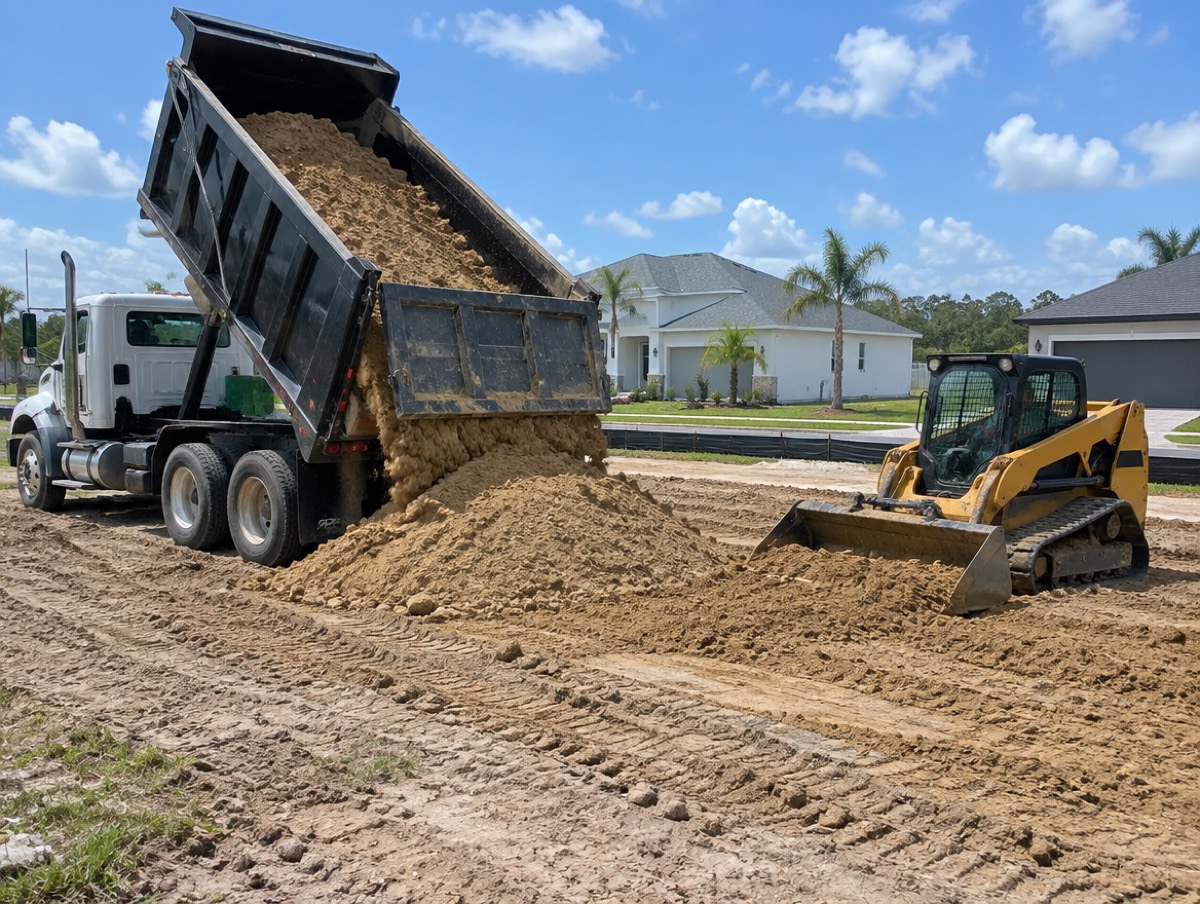
Once the lot is cleared, fill and the pad go to the elevations on the survey and the drainage plan. Palm Bay requires a formboard survey before any concrete is poured, and in a flood zone the final lowest adjacent grade has to sit above the base flood elevation (Palm Bay floodplain permit requirements). The fill dirt guide shows how to estimate the volume.
8. Hand it off clean
Give the builder the clearing permit, the site sketch showing which trees stayed, any FWC paperwork and the dates the work was done. If anything on the lot changed from the sketch, tell the city before an inspector finds it.
Questions people ask
Does Palm Bay let a lot be cleared ahead of the building permit?
Clearing a house lot under 1 acre for development needs a building permit under review first (s. 175.014). Underbrush is different: hand clearing, roto-chopping or mulching in place is grubbing, and single- and two-family sites under 1 acre are exempt from the grubbing permit (s. 175.015). Trees 6 inches or more still need the tree permit, and the tortoise and scrub-jay rules still apply. Ask the city before you start.
How long does it take to get a lot ready?
Palm Bay lists 7 days for clearing permit review, but that only starts once the building permit is in. A tortoise permit, the scrub-jay closure or the fill schedule can each add weeks or months, so ask the crew for dates once those are known.
Do I have to remove every stump?
Not across the whole lot. Ask the builder which areas need stumps and roots out. Outside the pad and driveway, ground stumps may be fine.
What if a Palm Bay lot was already cleared without a permit?
Palm Bay issues a stop-work order or violation notice and gives one week to apply at double the fee. Its restoration plan can call for a native canopy tree of at least 5 inches in diameter and 15 feet tall for each 6 inches of specimen trees taken out (Palm Bay Code ch. 175).
Sources
- FEMA Flood Map Service Center
- City of Palm Bay Building Department, Floodplain Permit requirements
- City of Palm Bay Building Department, Master Plan Building Permit Program
- City of Palm Bay, Scrub Jay Lots
- St. Johns River Water Management District, Do you need a permit?
- FWC, Gopher tortoise permits
- FWC, Bald eagle frequently asked questions
- Palm Bay Code of Ordinances, Chapter 175 (tree protection, land clearing and grubbing)
- Palm Bay Code s. 175.003, removal criteria
- City of Palm Bay, Habitat Conservation Plan
- FWC, Gopher Tortoise Permitting Guidelines (rev. April 2023)
- Sunshine 811, frequently asked questions
- Florida Forest Service, Know the Law (land clearing burns)